

Personal Protective Equipment (PPE) Guide
May 9th 2017
This short guide will help employers and workers understand personal protective equipment (PPE). We’ll outline how to choose the right PPE, stay compliant, and strengthen everyday workplace safety.
What Is PPE?
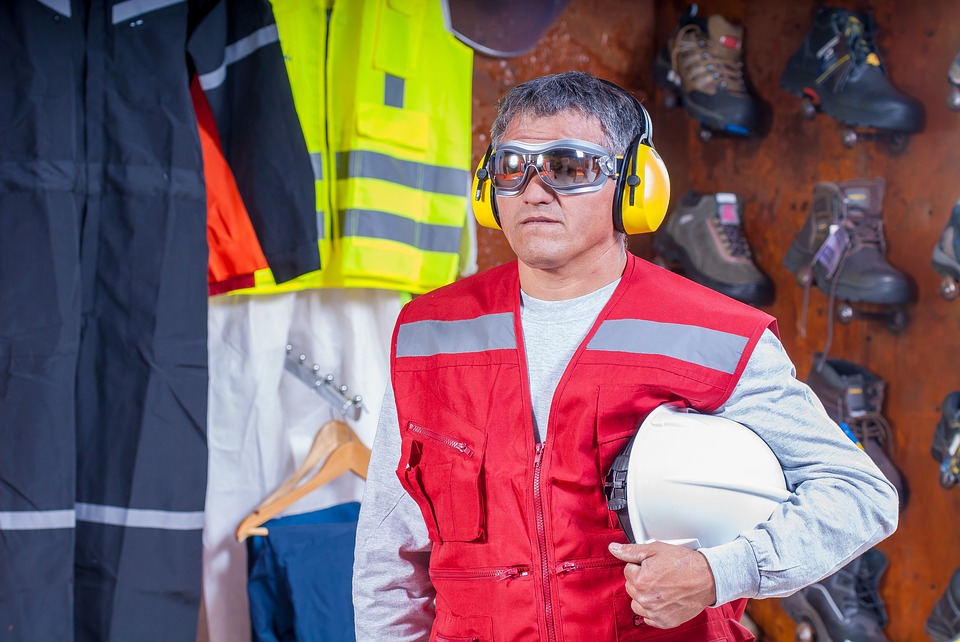
Personal Protective Equipment (PPE) refers to wearable equipment that protects workers from workplace hazards. These hazards can include chemicals, dust and debris, impacts, sharp objects, loud noise, light radiation, and extreme temperatures. Common examples of PPE include gloves, safety glasses and goggles, ear plugs, hard hats, and protective footwear.
Employers are responsible for providing appropriate PPE to their workers. To know exactly which PPE is required, a thorough hazard assessment must be completed.
Performing a Hazard Assessment
A hazard assessment is the first step in building a safe, compliant PPE program. The goal is to identify every potential hazard in the workplace that could require PPE. Conduct a walkthrough survey of each work area and create a list of hazards observed. OSHA recommends organizing this list into categories such as:
- Impact
- Penetration
- Compression (roll-over)
- Chemical
- Temperature
- Harmful dust
- Light (optical) radiation
- Biological
Once the list of hazards is complete, create a corresponding list of PPE to protect against each one. Choose PPE that addresses all identified risks. Whenever possible, select PPE that exceeds minimum safety requirements to provide an extra margin of protection.
The American National Standards Institute (ANSI) defines performance levels that PPE must meet. OSHA references several key ANSI standards, including:
- Eye and Face Protection: ANSI Z87.1
- Head Protection: ANSI Z89.1
- Foot Protection: ANSI Z41.1
PPE Training and Maintenance
Providing PPE is not enough. Employees must be trained to use their PPE correctly and consistently. Training should ensure workers understand:
- How to use their protective equipment
- When PPE must be used
- The limitations of protection
- How to maintain and care for PPE
Incorrectly used PPE can lead to serious injury or death. Workers should be able to demonstrate how and when to use their equipment, and the level of protection it provides. They must also know how to inspect, clean, and store PPE so that it continues to perform as intended.
All training should be clearly documented, including which workers were trained and the dates of training. Periodic retraining is recommended and is required when:
- New equipment, processes, employees, or hazards are introduced
- A worker is not following PPE procedures correctly
Regular refresher training helps reinforce best practices and keeps safety top of mind.
Types of PPE
Below is a brief overview of some of the most commonly used PPE types and how they help protect workers.
Hearing Protection
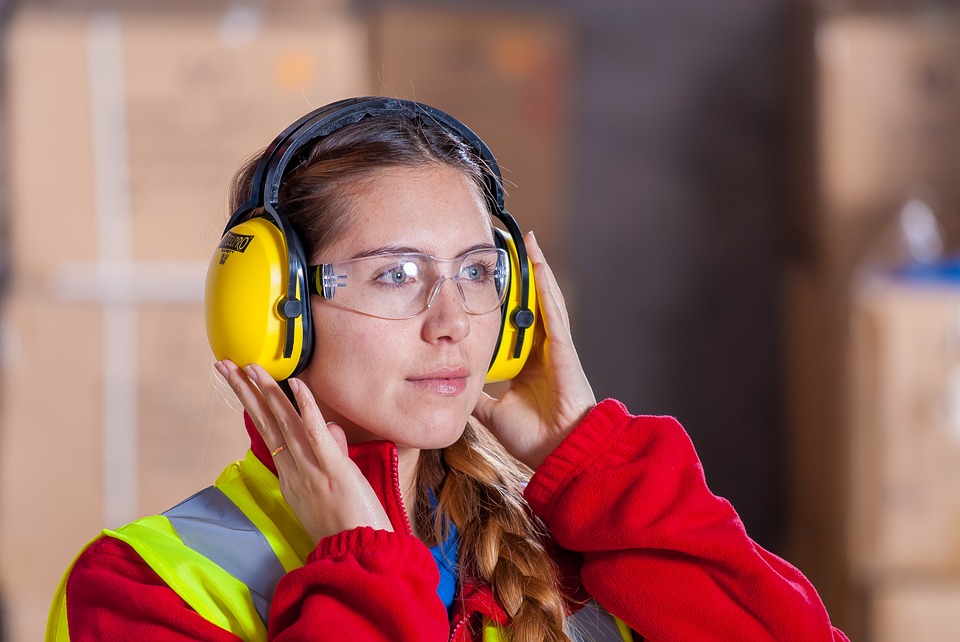
Two main factors determine hearing risk: loudness (decibels) and duration of exposure. Ear plugs and ear muffs reduce the amount of noise that reaches the ear and are available in different protection levels. The degree of noise reduction is called attenuation. OSHA provides a table (see G16) showing how much attenuation is needed in specific workplace situations. Because hearing damage is often permanent, choosing ear protection that meets or exceeds recommended attenuation levels is a critical part of any safety program.
Hand Protection
Many serious hand and arm injuries can be prevented through engineering controls and safeguards. For example, guarding moving machine parts is often the most effective way to protect workers. When hazards cannot be fully eliminated, appropriate PPE is required. The most common PPE for hands are protective gloves.
Selecting the right glove requires a clear understanding of the specific hazards present. Different materials are designed to address different risks, such as extreme temperatures, abrasion, chemicals, sharp objects, and electrical hazards:
- Leather gloves – protect against rough objects and moderate heat.
- Fabric gloves – protect against wood splinters, abrasions, and chafing.
- Aluminized gloves – provide insulation from intense heat or cold.
- Butyl gloves – protect against many chemicals, including corrosive acids; not recommended for aliphatic hydrocarbons or halogenated solvents.
- Latex gloves – protect against water-based solutions of acids, alkalis, and ketones.
- Neoprene gloves – protect against hydraulic fluids, organic acids, and alcohols.
- Nitrile gloves – protect against chlorinated solvents, acids, caustics, and many oils and greases.
Foot Protection
Protective footwear can prevent serious foot and leg injuries. Hazards may include nails, sharp objects, electrical risks, molten metal, slippery surfaces, extreme temperatures, and rolling or falling objects. ANSI Z41 sets requirements for impact and compression resistance. All ANSI-approved safety footwear includes a protective toe cap.
Additional protection may be needed when hazards are more severe. Metatarsal guards help shield the instep, while external toe guards, shin guards, and leggings can protect the lower leg.
Electrical hazards require non-conductive shoes, which prevent the wearer from completing an electrical circuit. These shoes must not be used in areas with explosion risks. In explosive atmospheres, conductive footwear is used to help dissipate static electricity and reduce the chance of sparks. Workers exposed to electrical hazards must not wear conductive shoes.
Head Protection

Head protection is an essential safety consideration across many industries. Head injuries can cause severe, irreversible harm or death. Hard hats and safety helmets protect against impact, penetration, and in some cases electrical hazards. Each workplace should be evaluated to determine where:
- Loose objects could fall onto workers’ heads
- Stationary objects such as beams, pipes, or scaffolding pose an impact hazard
- Electrical hazards could contact the head
There are three primary hard hat classes:
- Class A – impact and penetration protection, plus electrical protection up to 2,200 volts.
- Class B – impact and penetration protection, plus electrical protection up to 20,000 volts.
- Class C – typically lightweight and designed primarily for impact protection.
All hard hats must meet or exceed ANSI Z89.1 performance requirements, provide effective impact absorption, and be replaced if they show signs of wear or after any significant impact—even if no damage is visible.
Eye Protection
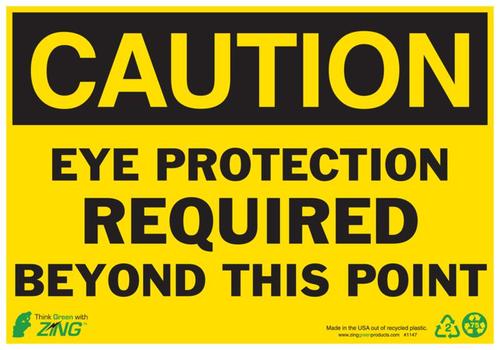
Dust, flying particles, gases, vapors, and light radiation are some of the most common hazards that require eye protection. Carpenters, electricians, pipefitters, mechanics, machinists, logging workers, and welders frequently need eye protection, but many other employees may be at risk depending on the tasks and equipment in use.
Eye protection should be considered wherever particles or debris could enter the eye, where light radiation is present, or where liquid chemicals or solvents could splash. Common forms of protective eyewear include safety glasses, goggles, welding shields, and laser safety goggles. All protective eyewear must:
- Provide adequate protection for the specific hazard
- Fit properly and comfortably
- Allow clear, unrestricted vision. If corrective lenses are needed, safety eyewear must fit comfortably over them, or be available in prescription options.
OSHA provides detailed guidance on the level of protection required for radiant energy. For welding shields, see OSHA 1926.102(c)(1); for laser protection, see OSHA 1926.102(c)(2)(i).