

How to Save Money by Going Green
Jan 25th 2017

Making a commitment to green, environmentally responsible practices can deliver significant financial benefits. Going green can strengthen relationships with customers, reduce energy costs, qualify your business for tax incentives, and cut down on everyday workplace waste. This guide highlights some of the most important business advantages of eco-friendly operations.
1. Connect with Your Customer Base
Building strong relationships with customers fosters long-term loyalty. Sustainability is a top shopping priority for a growing segment of consumers, often ranking above traditional discounts and coupons. According to a recent Nielsen study, millennials in particular are highly committed to eco-friendly brands, and their expectations continue to rise. Demonstrating visible green initiatives can help your company align with these values and stand out in a crowded marketplace.
2. Reduce Energy and Water Bills
Green energy upgrades are often simple, high-impact investments. One of the easiest changes is installing energy-efficient lighting. Halogen, LED, and compact fluorescent lamps can use 25% to 80% less energy than traditional incandescent bulbs, reducing utility costs over time. If your facility is in the planning or renovation stage, look for opportunities to incorporate natural daylighting, high-efficiency fixtures, and even solar power to further reduce ongoing energy expenses.
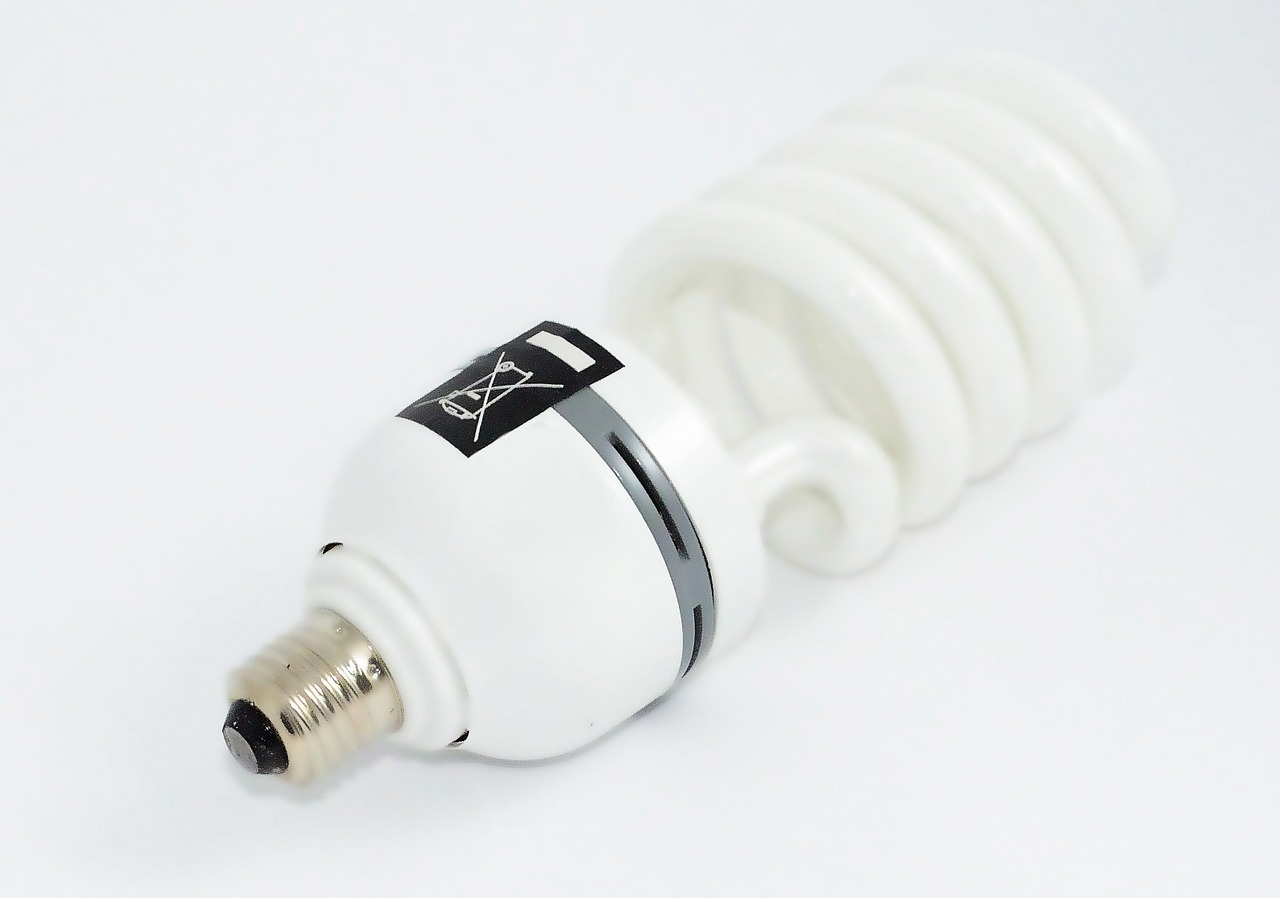
Energy-efficient lighting can help lower long-term operating costs.
3. Cut Down on Workplace Waste
Reducing waste is one of the fastest ways to save money and support sustainability goals. Paper, ink, lighting, and water are commonly overused in offices and industrial facilities. Simple strategies—such as posting reminder signs, using automatic shut-off or motion-sensing lights, and encouraging responsible printing—can have a visible impact. Moving to paperless or digital record-keeping wherever possible further reduces paper consumption, storage needs, and related costs.
4. Take Advantage of Tax Credits
Many state and local governments offer tax credits, deductions, or rebates for approved green energy upgrades. Consult with your tax advisor to identify available incentives and the requirements to qualify.
In addition, the federal government provides business tax credits for investments in renewable and high-efficiency technologies, such as solar and wind power. More information is available from the U.S. Department of Energy: Business Energy Investment Tax Credit (ITC). These credits help offset upfront costs, while the energy savings continue to deliver returns year after year.
5. Green Maintenance and Operations
Choosing eco-friendly appliances, equipment, and cleaning materials can reduce energy use and support a healthier workplace. High-efficiency appliances use less electricity and water than traditional models, lowering monthly utility bills. Green cleaning solutions and tools—such as microfiber mops that require less water and chemical cleaner—help control costs while reducing employee exposure to harsh substances.
Over time, these changes can add up to meaningful savings and a stronger sustainability story. By connecting with customers, trimming waste, capturing incentives, and optimizing day-to-day operations, green initiatives can be a powerful driver of both environmental and financial performance.