PPE: What You Need to Know
This guide will help employers and workers understand personal protective equipment (PPE). We will outline how to choose the right PPE, stay compliant, and strengthen everyday workplace safety.
Personal Protective Equipment (PPE) refers to wearable equipment that protects workers from workplace hazards. These hazards can include:
chemicals
dust and debris
impacts
sharp objects
loud noise
light radiation
extreme temperatures
To protect yourself from these hazards you will need PPE. Some common examples are:
gloves
safety glasses and goggles
ear plugs
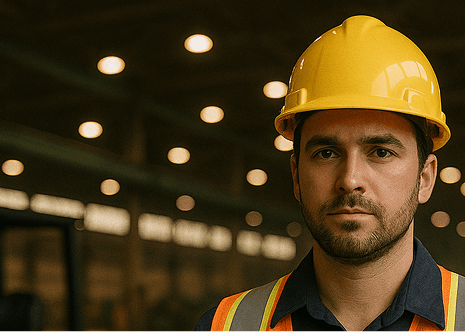
hard hats
protective footwear.
Conducting Hazard Assessments
Employers are responsible for providing appropriate PPE to their workers. But to know exactly which PPE is required, a thorough hazard assessment must be completed first.
A hazard assessment is the first step in building a safe, compliant PPE program. The goal is to identify every potential hazard in the workplace that could require PPE. To do this, start with a walkthrough survey of each work area, creating a list of hazards observed as you go. OSHA recommends organizing this list by hazard, such as impact, temperature, dust and debris, chemicals etc.
Once the list of hazards is complete, create a corresponding list of PPE to protect against each one. Choose PPE that addresses all identified risks. Whenever possible, select PPE that exceeds minimum safety requirements to provide an extra margin of protection.
The American National Standards Institute (ANSI) defines performance levels that PPE must meet. OSHA references several key ANSI standards, including:
Eye and Face Protection: ANSI Z87.1
Head Protection: ANSI Z89.1
Foot Protection: ANSI Z41.1
PPE Training and Maintenance
Providing PPE is not enough. Employees must be trained to use their PPE correctly and consistently.
Training should ensure workers understand four key concepts:
1. How to use their protective equipment
2. When PPE must be used
3. The limitations of protection
4. How to maintain and care for PPE
Types of PPE
Explore the most common types of PPE:
A hazard assessment is the first step in building a safe, compliant PPE program. Next, build your program based on the specific hazards present at your workplace to create a safe, compliant, productive environment.