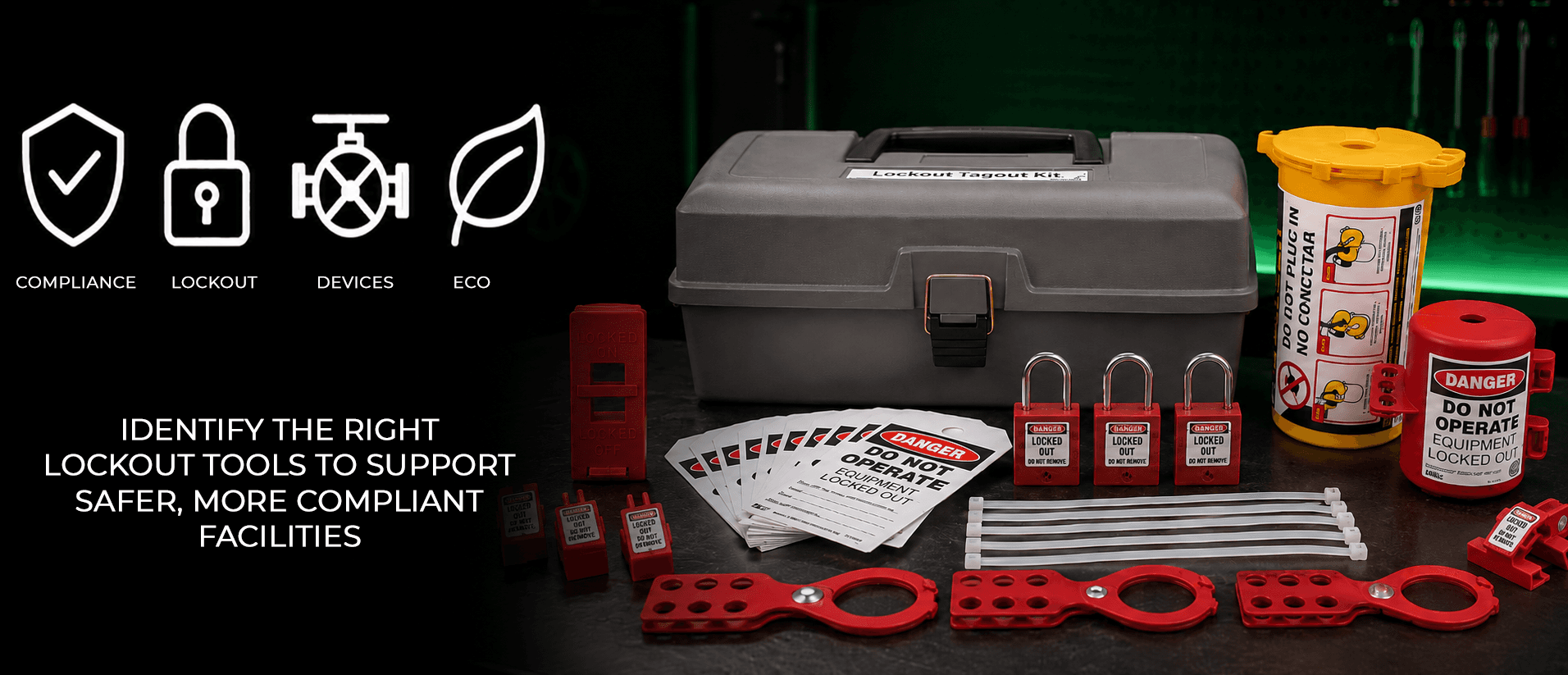
Lockout Device Guide
Lockout devices play an important role in helping protect employees during service, repair, cleaning, maintenance, and equipment adjustments. When machinery is being worked on, the goal is simple: prevent unexpected startup, accidental energization, or the release of stored energy until the work is complete and the proper person removes the lock.
Choosing the right lockout device is not just about buying a padlock and calling it done. Different machines, valves, plugs, switches, and control points require different solutions. A well-stocked lockout/tagout program gives employees access to the right device for the job, helping make safe work easier, more consistent, and more visible across the facility.
For end users, the best place to start is with the equipment itself. Look at how energy is supplied, where it is isolated, who performs maintenance, and whether one person or multiple workers may need to lock out the same machine. From there, you can select devices that fit your real-world workflow instead of forcing employees to improvise with the wrong tools.
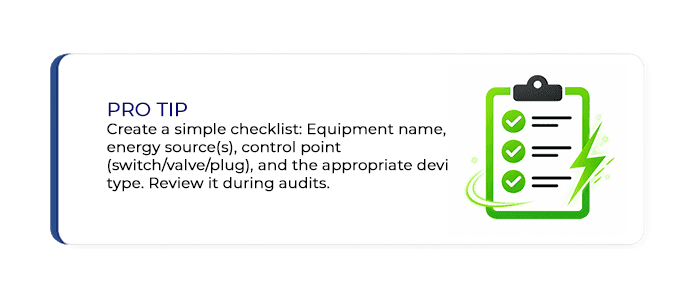
Choosing Devices
Every facility has its own lockout/tagout puzzle: different machines, different energy sources, different access points, and different maintenance routines. Before purchasing lockout devices, walk through the areas where service or maintenance takes place and identify the specific points where energy must be isolated.
Consider the type of energy involved, the shape and size of the control point, the number of employees who may need to apply locks, and whether the device will be used indoors, outdoors, or in harsh environments. A device that works perfectly on one valve, breaker, or plug may not fit another, so it helps to document the equipment before ordering.
It is also helpful to review the devices already in use. Look for worn, missing, broken, poorly fitting, or outdated lockout devices. If employees struggle to apply a device, if it does not fully secure the energy-isolating point, or if they avoid using it because it is inconvenient, that is a sign your program may need a better-fitting solution.
Identifying Energy Sources
Before selecting lockout devices, identify every energy source that could create a hazard during service or maintenance. Some energy sources are obvious, such as electrical disconnects or plugs. Others are easier to overlook, such as stored pressure, tension, gravity, heat, chemicals, or moving parts that may shift after equipment is shut down.
A good energy assessment should include both primary and secondary energy sources. For example, a machine may be powered electrically but also include pneumatic pressure, hydraulic lines, raised components, or springs under tension. Shutting off one source may not make the equipment safe until stored or residual energy is also controlled.
This step is where lockout/tagout becomes more than a product purchase. It becomes a safety process. Once energy sources are identified, facilities can choose devices that help employees isolate, secure, verify, and communicate that equipment is not to be operated until work is complete.
Common hazardous energy types include:
Electrical energy — present in industrial equipment, outlets, and panels; risks include unwanted energization and electrical shock.
Chemical energy — energy from reactions; hazards include extreme heat or explosions.
Hydraulic & Pneumatic energy — stored in pressurized liquids and air; residual pressure may remain even after valves are locked out.
Mechanical energy — stored in springs, counterweights, or tensioned systems that can release suddenly if not controlled.
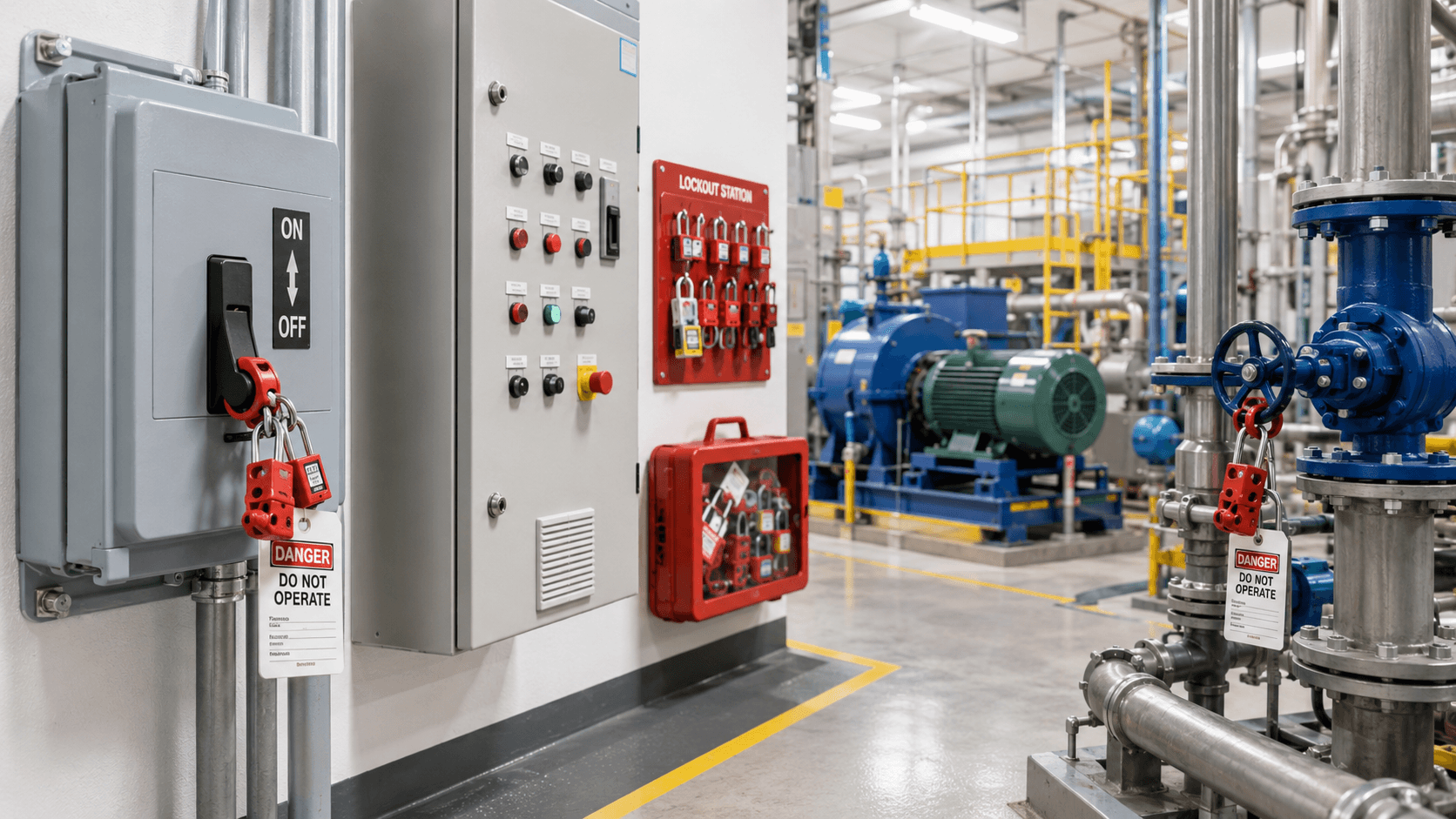
Types of Lockout Devices
Hasps
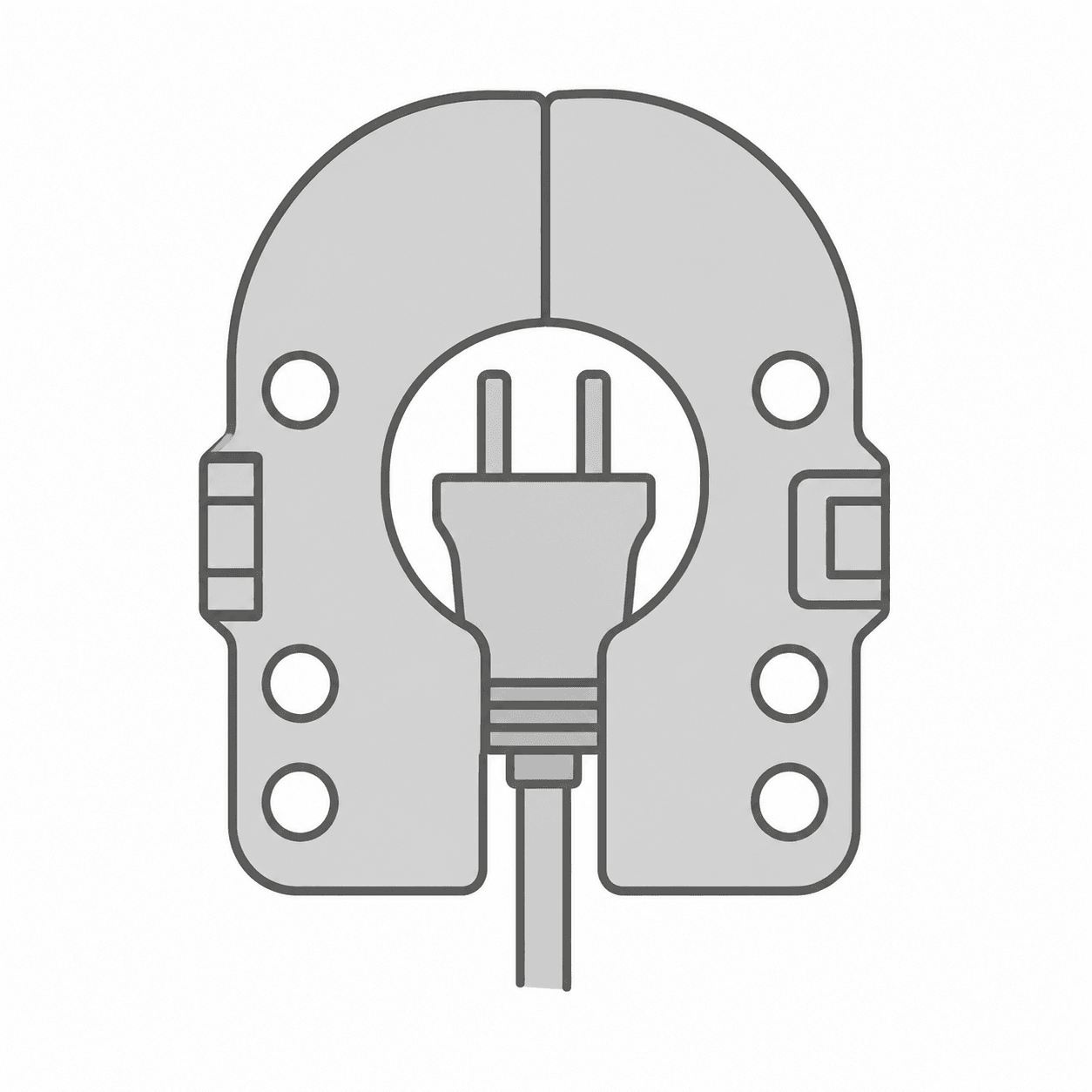
Plug Lockout
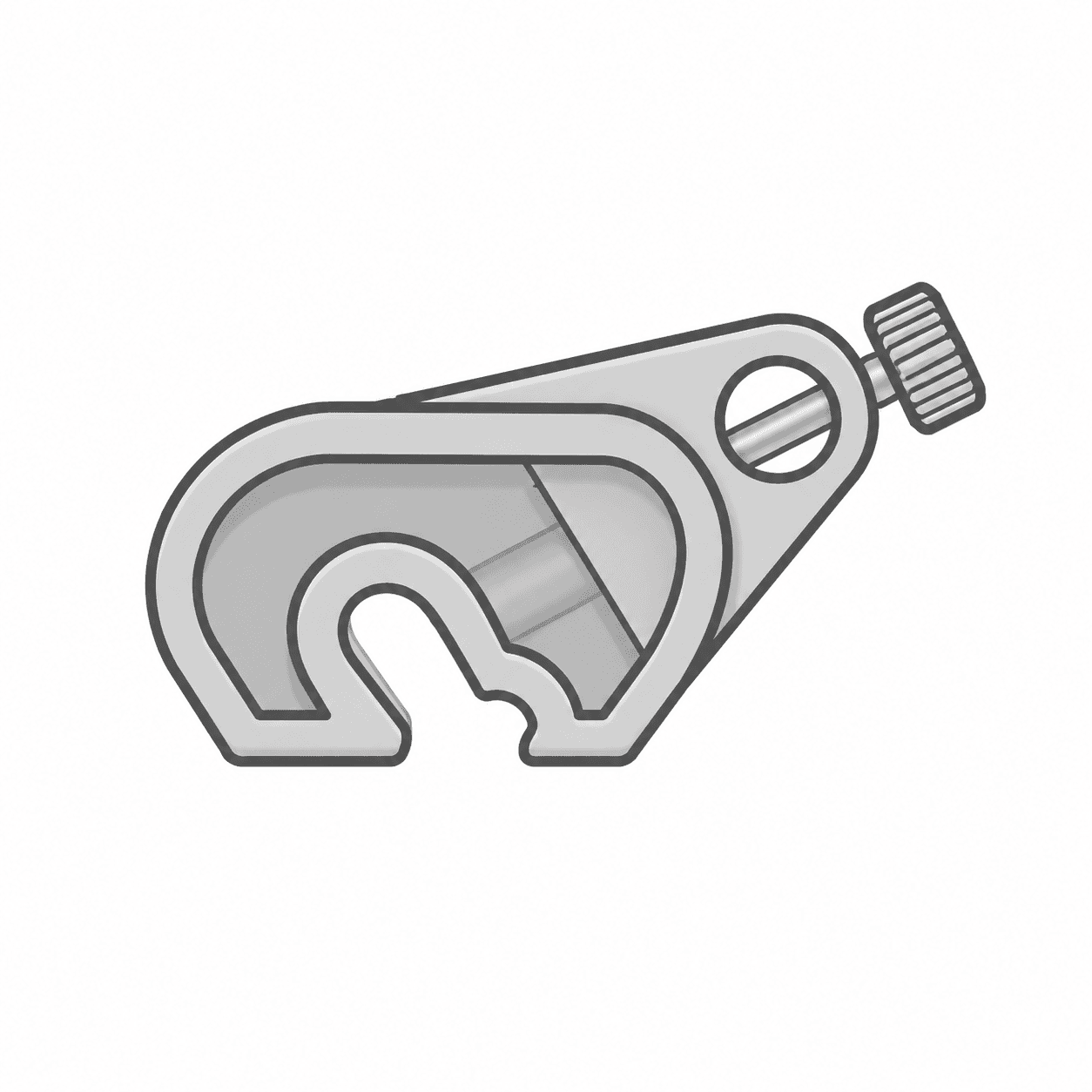
Circuit Breaker
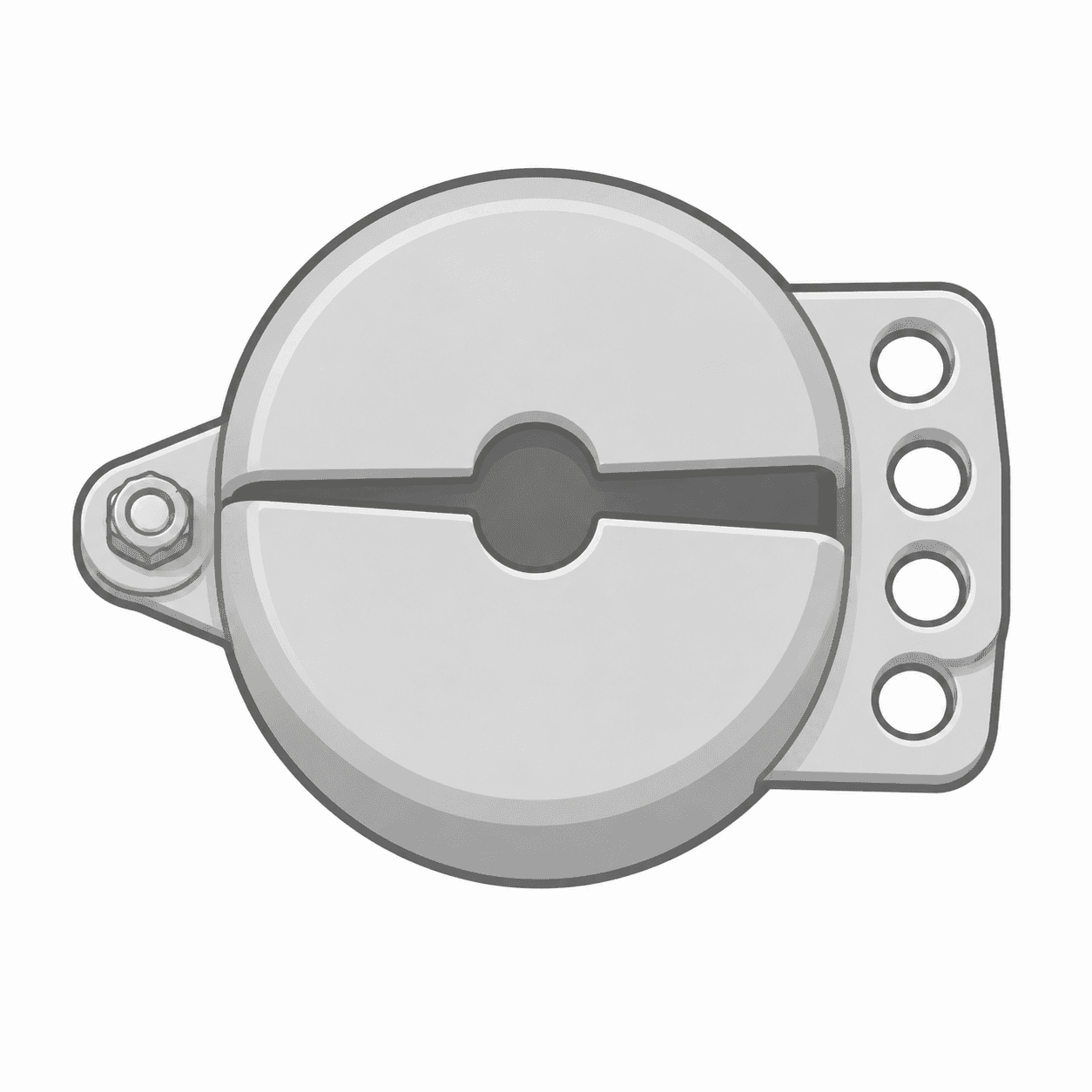
Valve
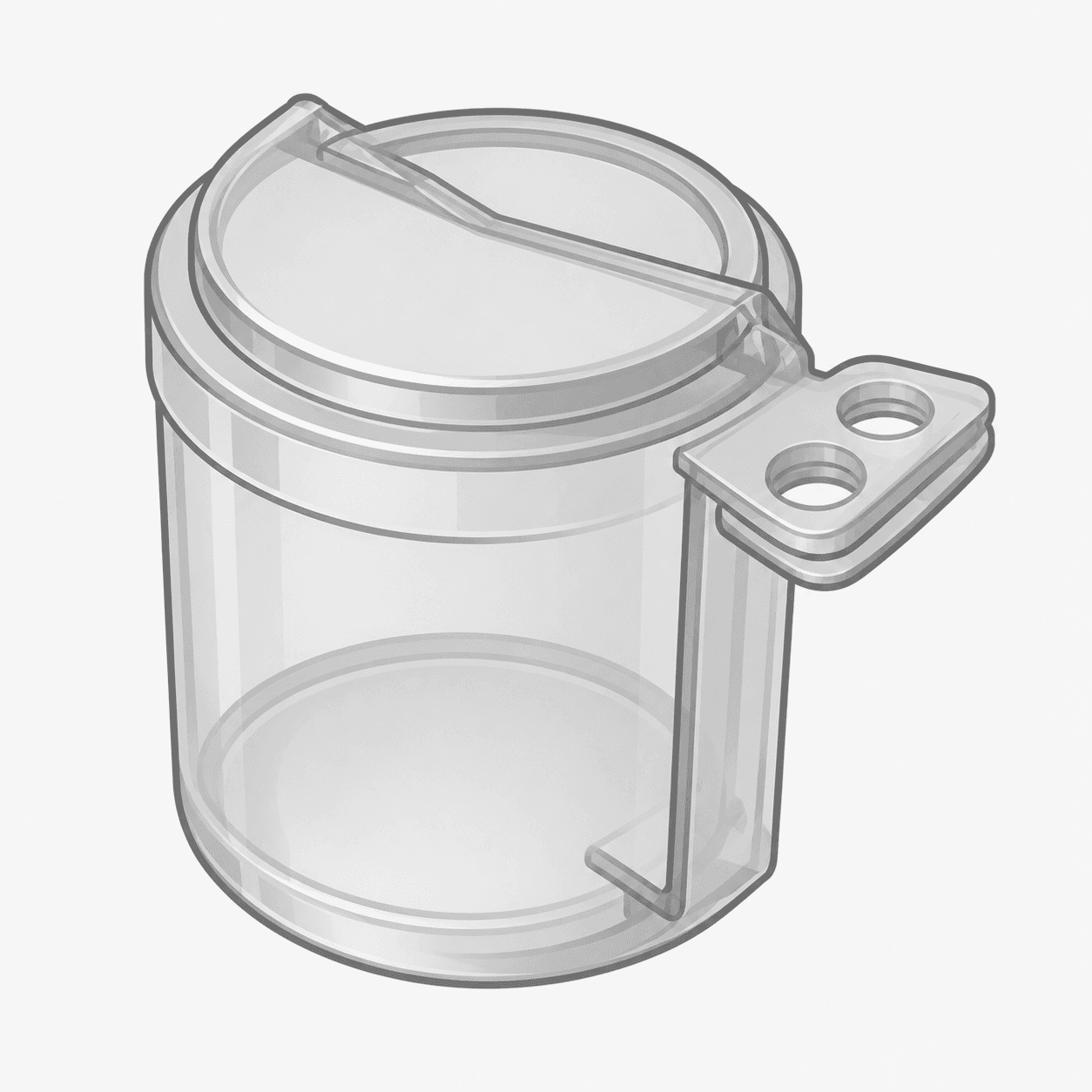
Push Button
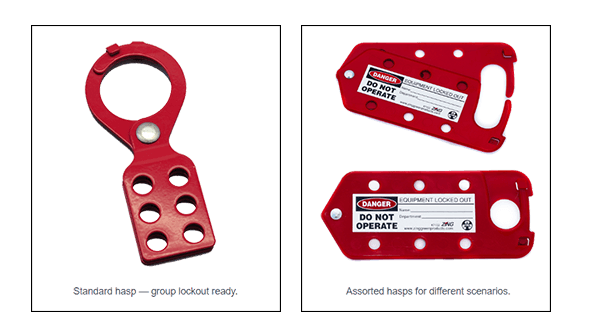
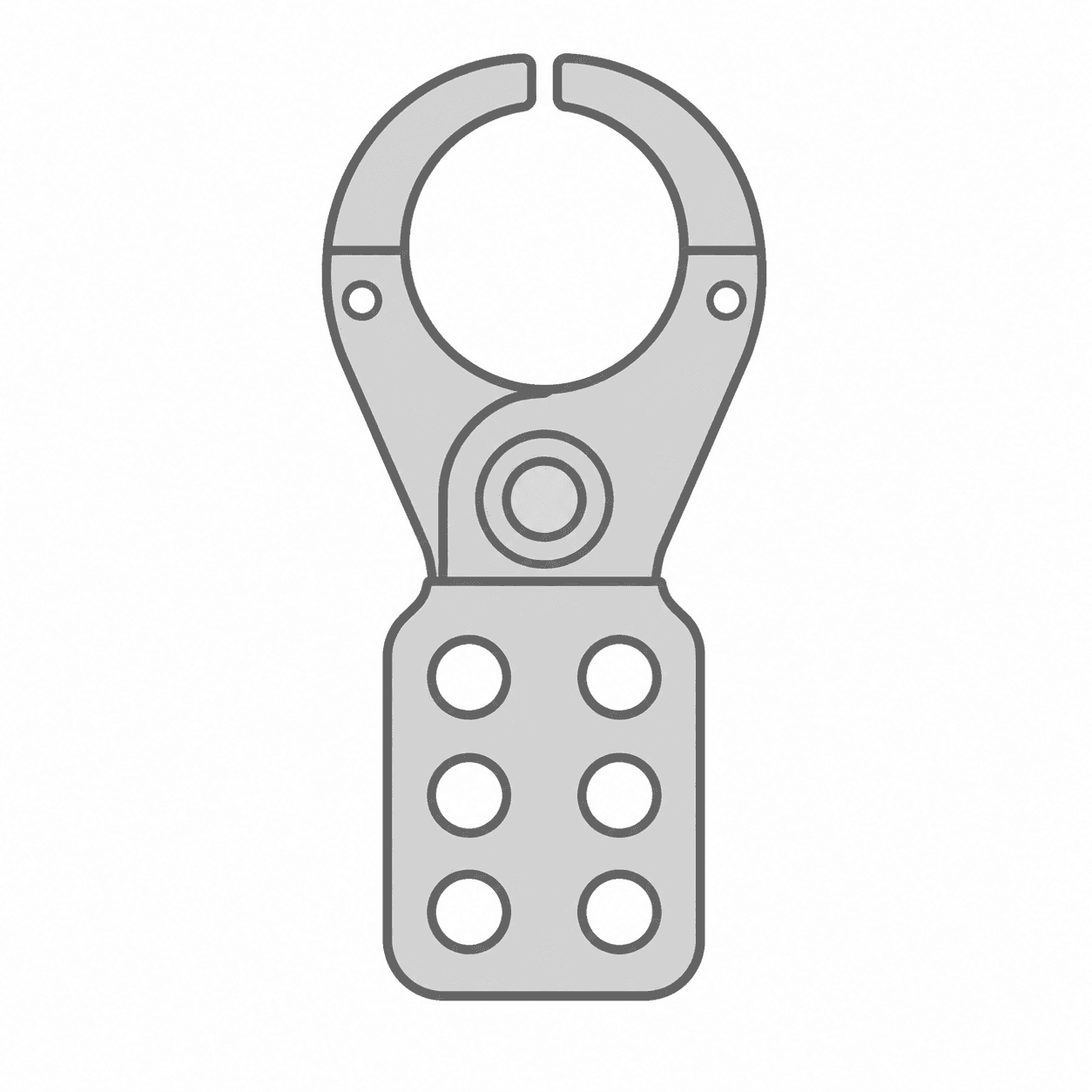
Hasps
Lockout hasps are commonly used when more than one employee needs to lock out the same energy source. The hasp is placed through the energy-isolating point, then each authorized employee applies their own padlock. The equipment cannot be re-energized until every worker has removed their individual lock.
This is especially useful for group maintenance, shift work, or tasks where multiple trades are involved. For example, electrical, mechanical, and cleaning crews may all need to work on the same equipment before it can safely return to operation. A hasp provides a simple way to make sure each person maintains control of their own protection.
When choosing hasps, consider the number of lock holes needed, the size of the shackle, the environment where it will be used, and whether the hasp needs to be highly visible, nonconductive, or corrosion resistant.
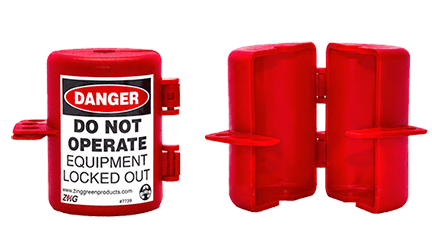
Plug Lockouts
Plug lockouts are used to prevent a plug from being inserted into an outlet during service or maintenance. The device encloses the plug end and is secured with a padlock, helping ensure the equipment cannot be reconnected to power while work is being performed.
These are helpful for portable machinery, power tools, cleaning equipment, small production equipment, and other cord-connected devices. They are especially useful when the plug cannot remain under the exclusive control of the person performing the work.
The most important buying consideration is size. The lockout should fully enclose the plug and prevent access to the prongs. Be sure to check the plug shape, cord diameter, and voltage style before selecting a device.
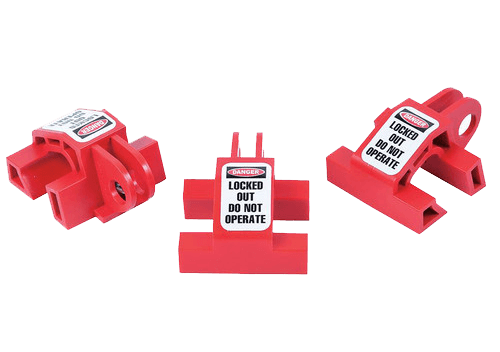
Circuit Breaker Lockouts
Circuit breaker lockouts are designed to hold breakers in the OFF position during maintenance or repair. They are commonly used in electrical panels to help prevent circuits from being accidentally restored before work is complete.
Different breakers require different lockout styles. Some devices clamp onto the breaker switch, while others use pins, toggles, or panel-specific designs. Because breaker shapes and panel layouts vary, it is important to match the lockout device to the breaker type.
When choosing circuit breaker lockouts, check whether the breaker is single-pole or multi-pole, whether the switch has a hole or smooth toggle, and whether the lockout device must fit in a crowded electrical panel. A secure fit matters more than a “close enough” fit.
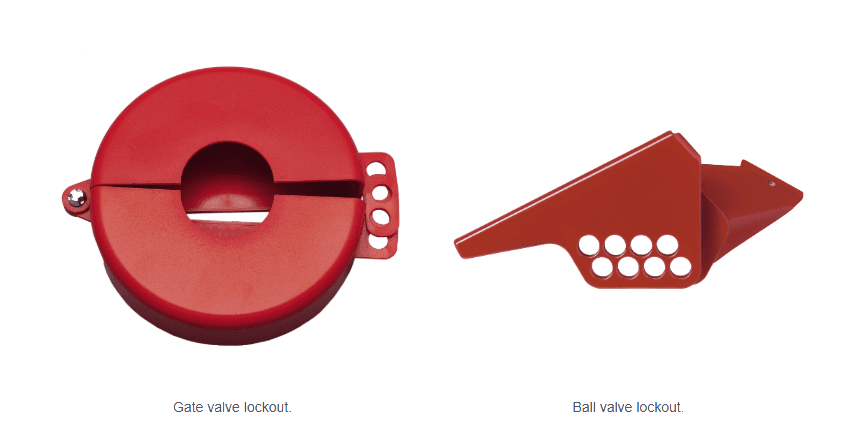
Valve Lockouts
Valve lockouts help prevent valves from being opened or closed during maintenance. They are used in systems that control water, gas, steam, chemicals, air, hydraulic fluid, or other materials that could create a hazard if released unexpectedly.
Common valve lockout types include gate valve lockouts, ball valve lockouts, and butterfly valve lockouts. Each is designed around a different valve shape and operating motion. A gate valve lockout typically covers the round handwheel, while a ball valve lockout secures the handle in the desired position.
Before ordering, identify the valve type, handle size, pipe location, and whether the valve needs to be locked open, locked closed, or both depending on the task. For facilities with several valve sizes, having a range of lockouts available can prevent delays and unsafe workarounds.
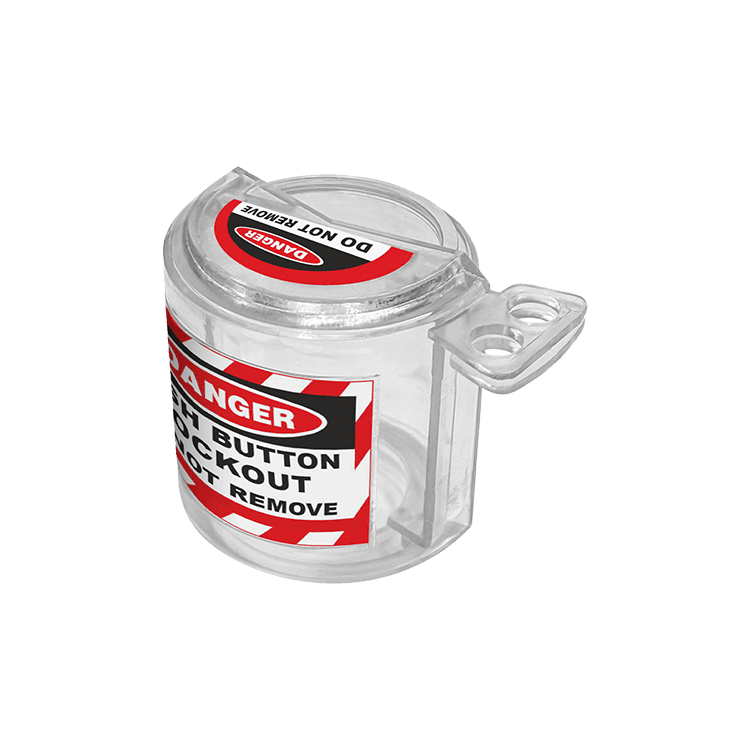
Push Button Lockouts
Push button lockouts are used to help prevent buttons or controls from being pressed while equipment is being serviced. They are often used on control panels, emergency stops, machine start buttons, and other control points where accidental activation could create a hazard.
Some push button lockouts use a base that remains installed around the button, with a removable cover that is applied during lockout. Others are temporary covers that fit over the button only when needed. The right choice depends on how frequently the control point is serviced and how the panel is configured.
When selecting a push button lockout, make sure the device fits over the button without interfering with surrounding controls. It should be visible, secure, and easy for authorized employees to apply without damaging the panel.
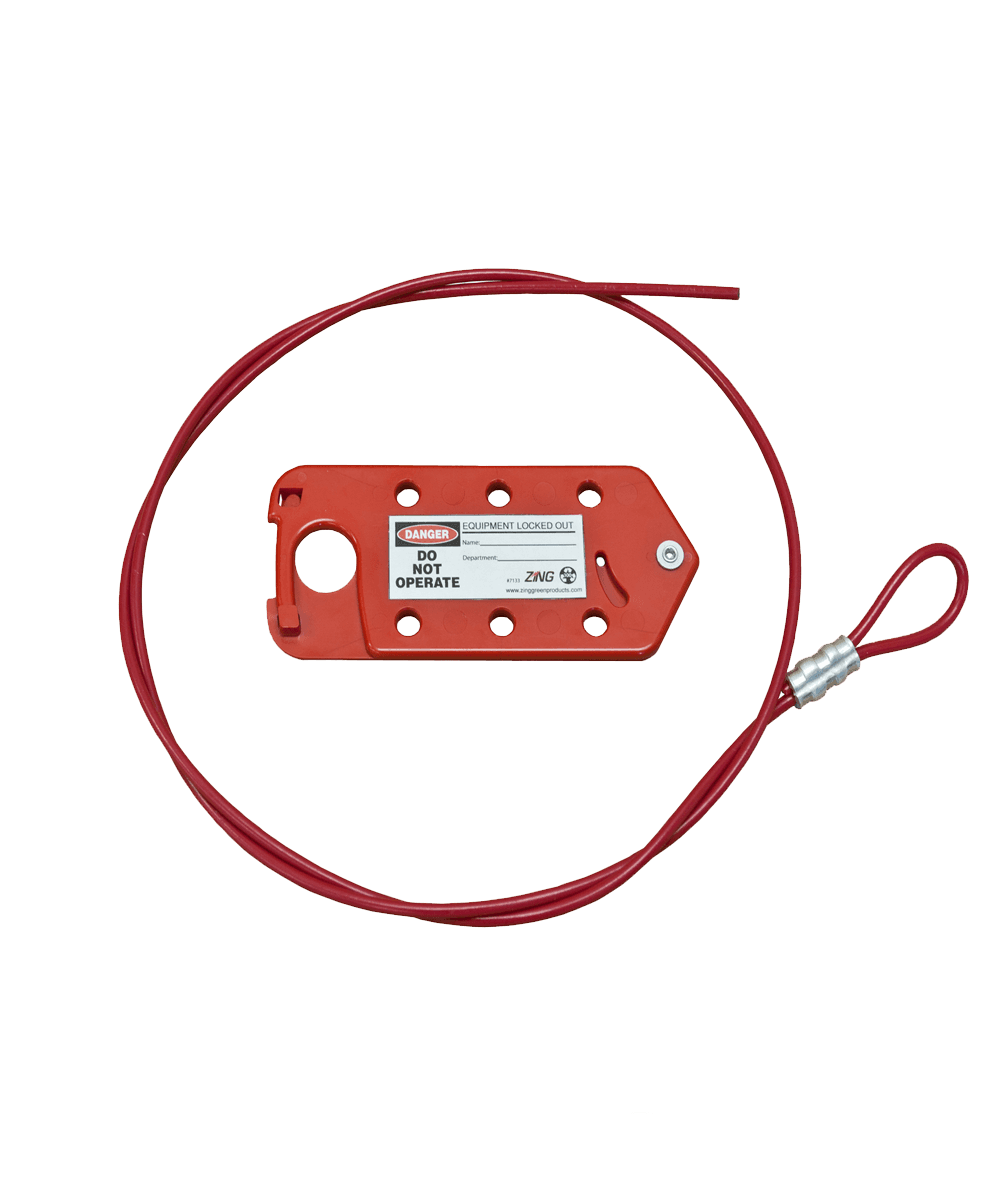
Cable Lockout
Cable lockouts are flexible devices used when standard lockout devices do not fit or when several points need to be secured at once. A cable can be threaded through handles, valve wheels, disconnects, or other control points, then tightened and locked in place.
These are useful for unusual equipment, oversized controls, multiple valve systems, or situations where a rigid lockout device is not practical. A cable lockout can also be helpful for maintenance teams that work across a variety of equipment and need one adaptable option in their kit.
When choosing a cable lockout, consider cable length, cable coating, grip, visibility, and the number of padlocks that can be applied. The cable should be long enough to secure the equipment properly but not so loose that the control point can still be operated.
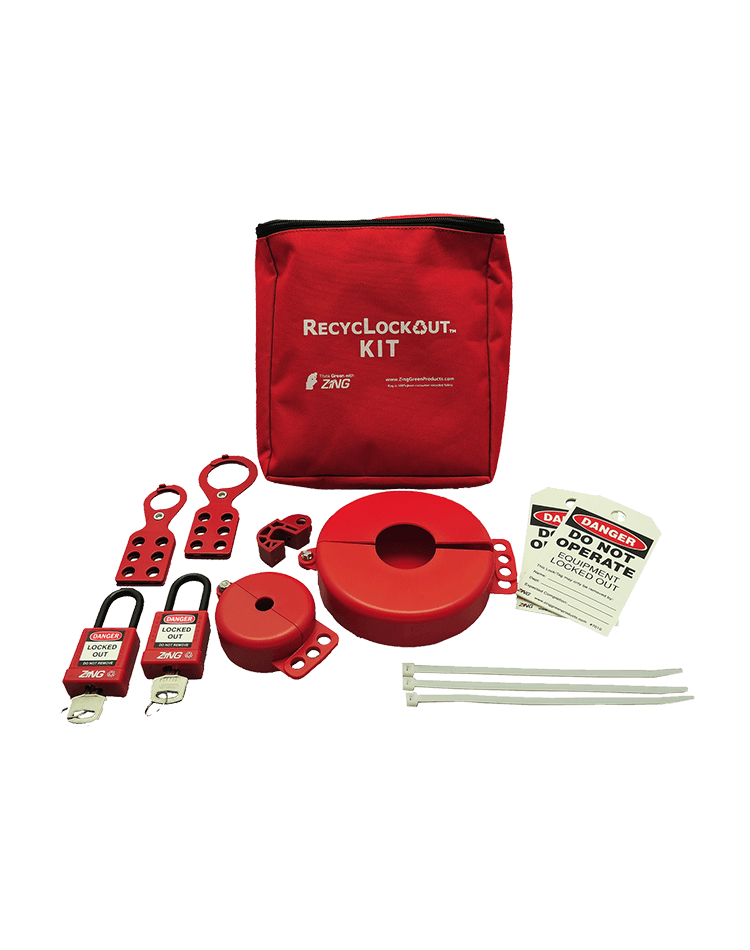
Stations & Kits
Lockout stations and kits help organize devices so employees can find what they need quickly. A wall-mounted station works well in a fixed area, such as a maintenance shop, production floor, or utility room. A portable kit is better for teams that move between machines, departments, or job sites.
A good station should make missing devices easy to spot. When every lock, tag, hasp, and device has a home, supervisors and employees can quickly tell when supplies need to be replaced or replenished. This helps keep the program from slowly turning into a drawer full of safety spaghetti.
For many facilities, the best solution is a combination of both: central stations for common areas and portable kits for maintenance teams. This gives employees access to lockout devices where the work actually happens.

Safety Culture Requirement
Lockout devices are most effective when they are part of a clear, consistent safety culture. Employees need to know which device to use, where to find it, how to apply it, and why it matters. If the process is confusing or the right device is hard to locate, even a well-intended program can develop gaps.
A strong lockout/tagout culture also depends on accountability. Each authorized employee should understand their role in applying and removing locks, verifying isolation, and communicating with affected employees. Lockout/tagout is not just a maintenance task. It is a shared safety promise.
Choosing user-friendly devices can support that culture. When lockout devices are visible, organized, durable, and matched to the equipment, employees are more likely to use them correctly and consistently.
General Requirements
Lockout and tagout devices should be selected for the environment where they will be used. Consider exposure to moisture, chemicals, temperature changes, dirt, grease, sunlight, and rough handling. Devices should remain legible, secure, and functional for the full period they are expected to be in use.
Facilities should also standardize their lockout/tagout devices where possible. Consistent colors, styles, labels, tags, and storage locations make the program easier to understand and follow. Standardization also helps employees quickly recognize when equipment is locked out and who is responsible for the lock.
As part of an overall lockout/tagout program, employers should review procedures, train employees, inspect the program periodically, and replace damaged or missing devices. The goal is not just to own lockout devices. The goal is to make hazardous energy control clear, repeatable, and reliable.
For more information, see OSHA Standard 1910.147.
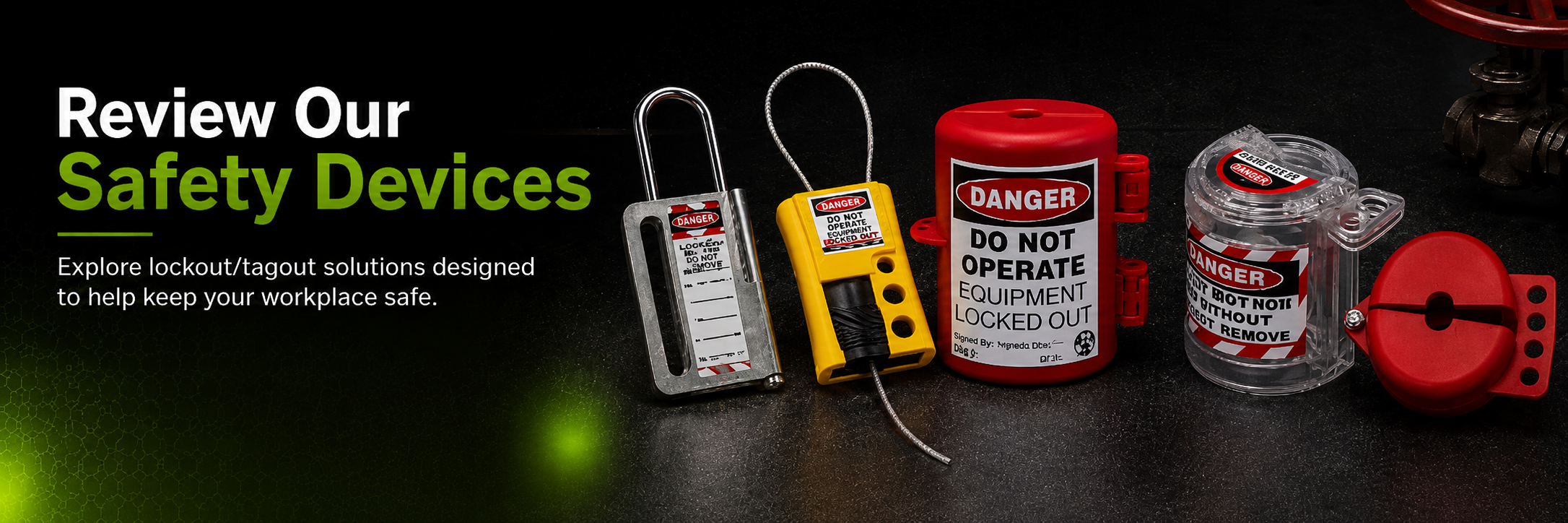
Zing Green Safety Products offers lockout/tagout devices, padlocks, tags, stations, and kits designed to support safer maintenance procedures and more organized energy control programs. Browse our lockout/tagout solutions to find devices that fit your equipment, your team, and your safety goals.